
Notifications




In this publication, I’ve put together a selection of resources where you can share your UX/UI projects, develop networking, find work, find new clients, and more.
Behance and Dribble have long been favourite platforms for designers who want to showcase examples of their work and network professionally. However, there are other platforms that offer unique opportunities for UX/UI designers. If you’re wondering where else to post your portfolio, read to the end.

A portfolio is a UX designer’s business card, reflecting their skills, experience, format and style of work. But today, it is essential not only to make a quality portfolio but also to place it on the platforms where it will be presented most effectively to open new opportunities for professional growth.
Here are a few reasons why a UX designer should look for new platforms to post a portfolio:
Using different platforms allows you to reach a wider audience. Each platform has its unique target audience, including potential clients, employers, or colleagues with whom to share experiences and ideas. Posting your portfolio on multiple platforms increases your chances of getting noticed.
Some platforms offer unique professional development opportunities, such as participating in contests and challenges, completing real-world projects, or receiving feedback from industry experts. You become part of the community by posting your portfolio on such resources. This allows you to improve your skills and increase and show your level of expertise.
Different platforms provide different opportunities to interact with the UX design community. These can be forums, communities, or online events. Making new contacts with peers and industry professionals can lead to promising projects in a new team.
Specific platforms may be better suited for certain types of projects. For example, one platform may be ideal for showcasing single-page websites, while another may be ideal for mobile apps and interactive prototypes. You can showcase skills and present projects more effectively by posting work on different platforms.
New platforms create a unique audience that can provide engaging, constructive feedback on your projects. This helps you improve, gain insight, correct mistakes, and grow in yourself.
Posting your portfolio on multiple platforms improves your visibility on search engines. This increases the likelihood that potential clients or employers will find your work when searching for designers online. SEO optimisation and linking to your designs on different resources help improve your ranking in search results.
Having a presence on different platforms helps develop and strengthen your brand. Being active in different communities, posting articles and participating in discussions helps build your online reputation. The more recognised, commented and respected you become in the professional community, the more opportunities open up for you.
Choosing the right platform to host your UX/UI portfolio affects who your clients will be, what kind of team you’ll work with, and whether potential employers will notice your portfolio.
I will list a few tips to help you choose a platform to host your portfolio.
Before choosing a platform, clearly define your goals:
Show expertise and specific skills. If you specialise in web design, look for platforms where you can showcase your projects.
Now that you know the principles of choosing the best platform for portfolio posting, consider a few options.
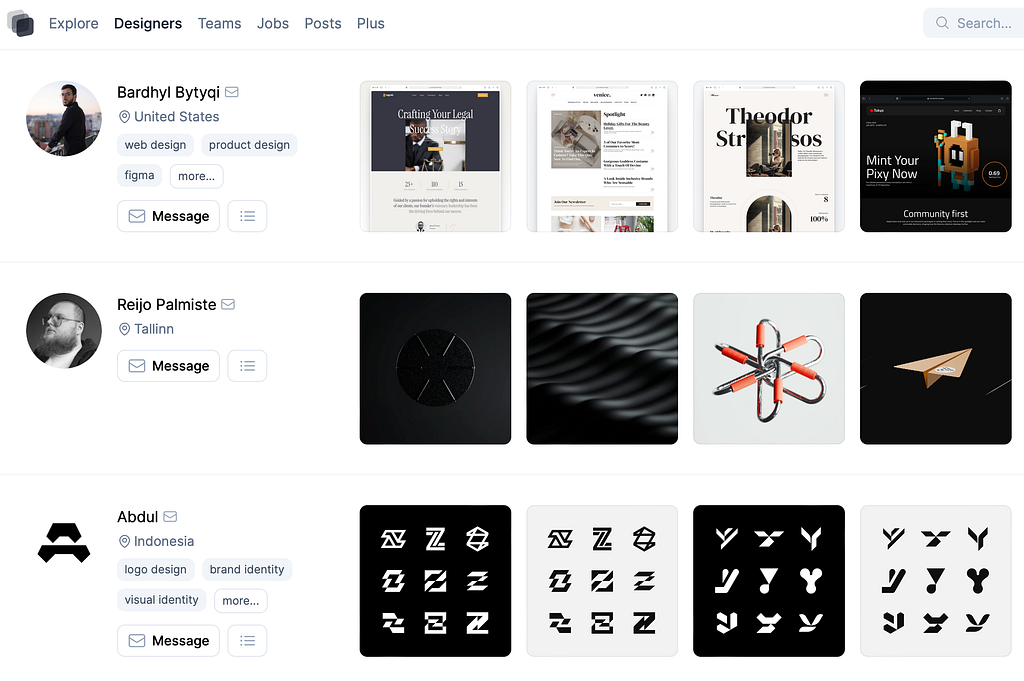
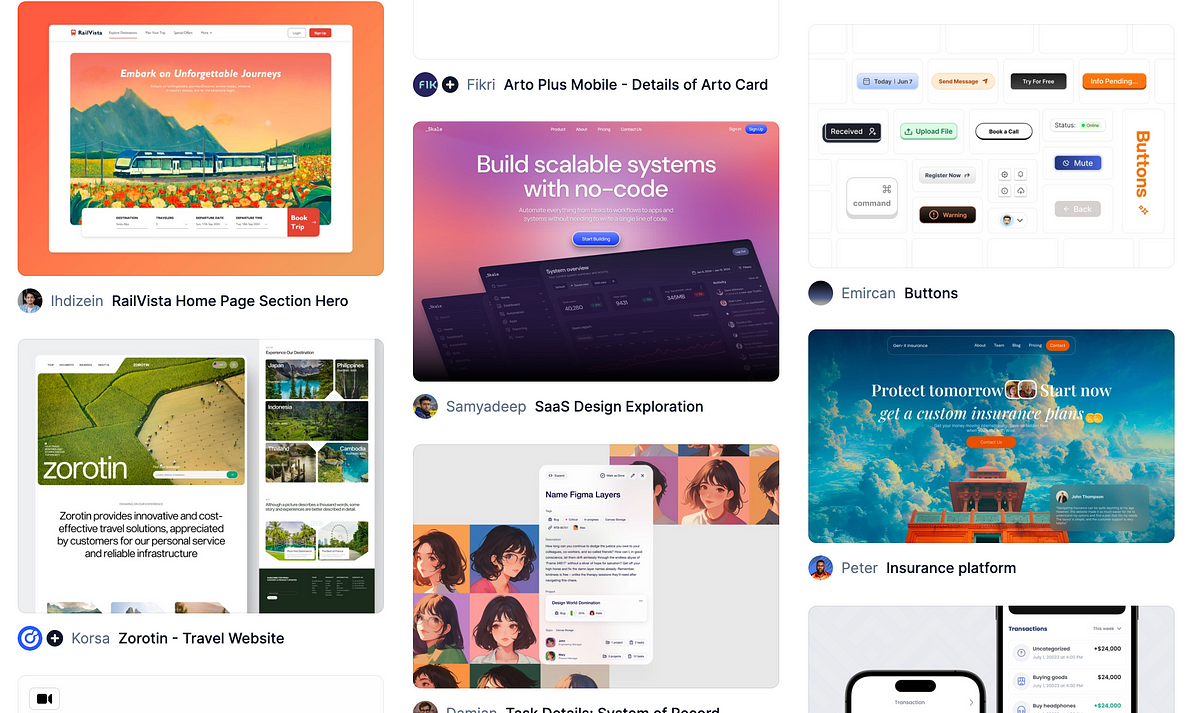
Layers is a modern platform for designers to share their projects and find inspiration. What makes Layers unique is its focus on community and interaction between users.
Like Dribbble, it has a demo page with popular designs. So, if your design becomes widespread, it will appear on this page and attract the community’s and potential clients’ attention. If you’re working on something, you can post it on the platform, indicating that it’s an unfinished project.
There is also a “Designers” category at the top of the menu. This is where you can register yourself or even submit your startup. To create a team, you must pay $29/month; to publish a post in the “Jobs” category, you must deposit $99 for 30 days.

UX Hack is a unique platform that solves real-world UX/UI problems. Here, more than 8,000 designers meet, discuss designs, and even hold hackathons.
UX Hack helps you develop skills by working on real cases and provides an excellent opportunity for professional growth and recognition of your expertise.
It’s a great platform to showcase your projects and get feedback.
UXHack - Improve your User Experience Skills in 3 steps
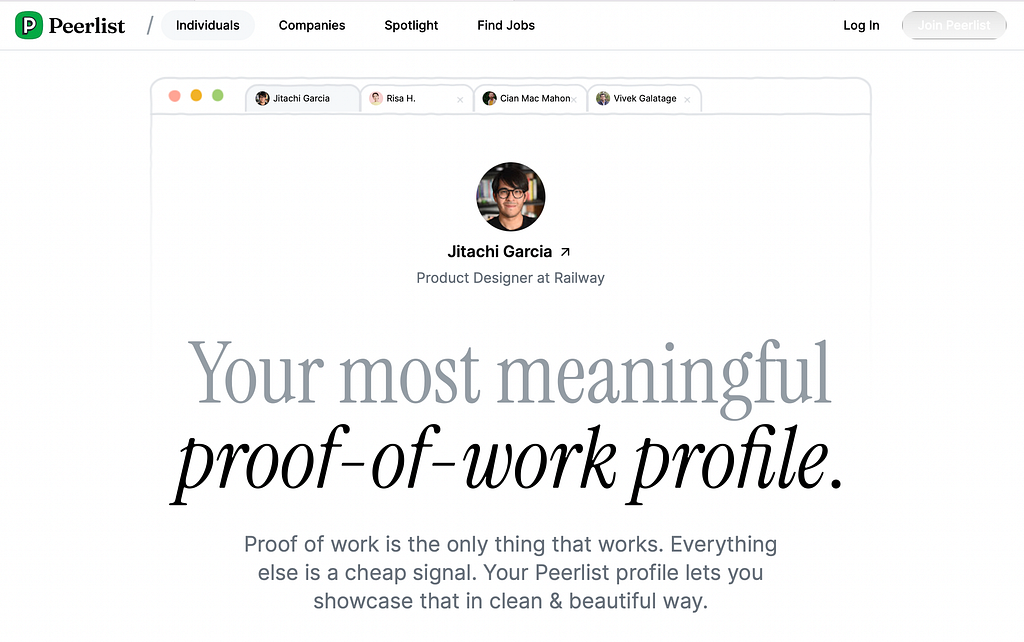
Peerlist is a social platform for technology and design professionals. You can create a portfolio, share your projects and articles, and build networking here. Peerlist supports integration with other services such as GitHub, Dribbble, Product Hunt and LinkedIn, making showcasing your achievements and expertise convenient.
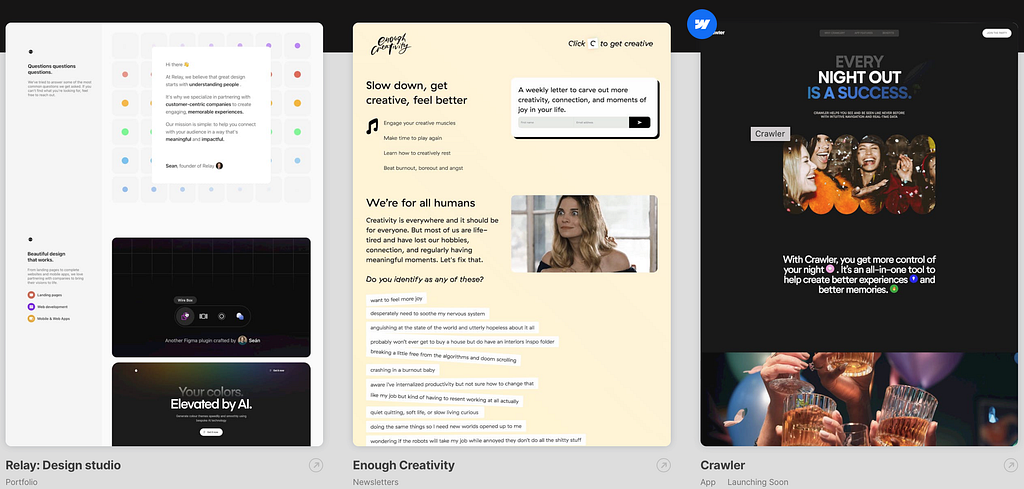
Onepagelove is a specialised platform for one-page web designs. OnePageLove will be the perfect place to showcase your projects if you work on lending or one-page websites. The platform offers a gallery of inspiring designs, resources, and tutorials for designers of all levels. The site has over 150,000 registered designers who view your designs, get inspired, and give feedback.
One Page Love - One Page Website Inspiration and Templates
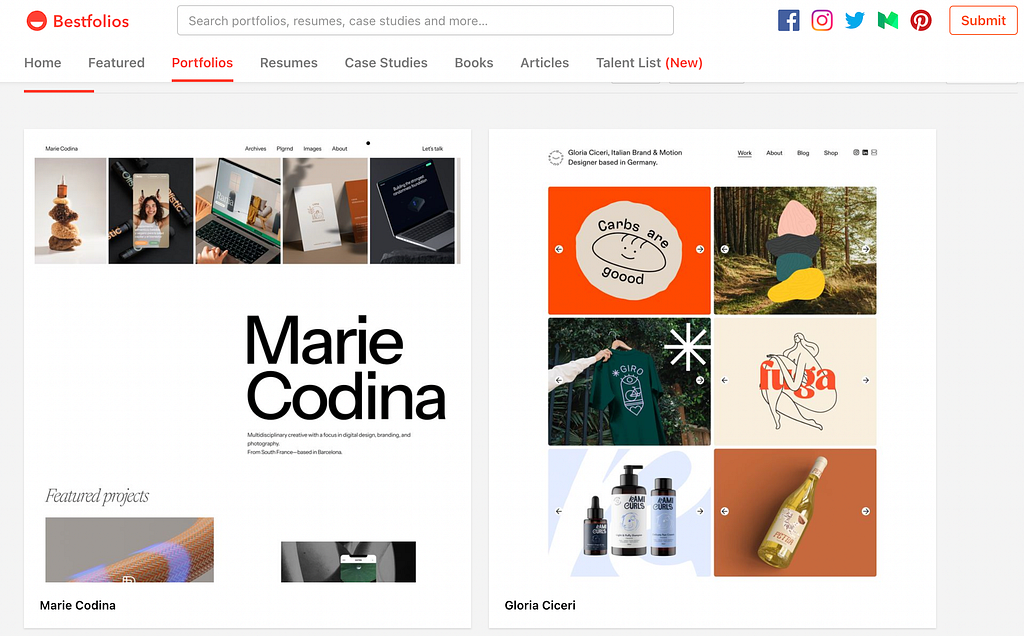
Bestfolios is a collection of the best UX/UI portfolios designed to inspire and educate. The platform curates and showcases the work of leading designers, providing examples of successful projects and portfolio structures. The front page features portfolios selected by the editor. So, if your portfolio makes it there, it’s one of the best.
Bestfolios will be an excellent resource for those who want to improve their portfolio and learn the best cases of UX designers in presenting their work.
Each of these platforms offers unique opportunities for UX/UI designers. Whether you want to share your projects, get feedback, build professional connections, or find work, these alternatives to Behance and Dribble will help you achieve your goal. Explore them, and find the one that best fits your needs and suits your needs for showcasing projects.
Subscribe and stay in touch. Let me know what you’d like to learn in future posts!
Twitter | Instagram | Dribbble
Excellent alternatives to Behance and Dribble for a UX designer’s portfolio was originally published in UX Planet on Medium, where people are continuing the conversation by highlighting and responding to this story.


